• Български
  • English
  • Deutsch
  • Русский
   +359 56 55 55 88
KOSTENLOSES TEL.: 0800 11 881
Хемодиализа

GOOD WORD FROM A FRIEND!

Most of the time friends are like family. Friends in our life always help us with advice and moral support but also can offer us practical advice and tips.

Show them that despite the illness, you are still “the same person” and you are able to do most of the things you used to do before getting the disease. It’s also a good idea to remind them that you still want to remain close friends and still want to be involved in the social events, reunions, and other fun things you’ve done so far.
If you choose to share news about your health condition on social media, be selective in how your health is disseminated and announced. You can create different “groups” on Facebook – one group for close friends and relatives who support you – and another group for a larger circle of friends.
Whatever you decide, beware of unreliable people who can offer you “miracle” cures or questionable treatments and services. To protect yourself from this, you can make your posts private or visible only to your friends.

Regardless of your decision, be prepared for many different answers. Remember, everyone has his own problems and vision of life. Expected support or lack of it, does not necessarily shows their feelings about you.

ИЗСЛЕДВАМЕ БЪБРЕЦИТЕ

THE IMPORTANCE OF EXAMINING OUR KIDNEY FUNCTION

The importance of examining our kidney function

Each of us can get kidney disease at any time. However, if kidney disease is found and treated early, you can help slow or even stop it from getting worse. Most people with early kidney disease have no symptoms. That is why it is important to do preventive examinations.

If you suffer from one or more of the following, ask your doctor to check your kidney function:

diabetes and hypertension
• Acute kidney disease
• cardiovascular disease (ischemic heart disease, chronic heart failure, peripheral vascular disease)
• structural disorders of the urinary tract
• multisystemic diseases with potential renal impairment – eg systemic lupus erythematosus
• family history of end-stage kidney disease or hereditary kidney disease
• accidental detection of hematuria.
• Taking multiple medications

It is a fact that chronic kidney disease is asymptomatic, however in a further phase of it is accompanied by notable symptoms. Prompt diagnosis is important for several reasons.

First, because of the increased cardiovascular risk.
Second, because of the significant therapeutic interventions that can be made in the early stages of the disease, aiming to cure (rarely), or to delay the progression of renal damage.
And third, because of the “quiet” complications of the disease, which begin to appear during the third stage of chronic kidney disease. These complications include, among other things, anemia and bone diseases that, if diagnosed relatively early, can be treated with appropriate medication.

WHY DOESN’T OUR BLOOD PRESSURE DROP AND WE FEEL BETTER?

Интимност и Диализа

INTIMACY & DIALYSIS

Intimacy is the deep human need involving a mental and emotional sense of well-being. We all have an inherent need to be loved and appreciated- no matter the age or our chronic kidney disease. The desire for sexual activity, on the other hand, could vary for a lot of reasons – medication, general fatigue or depression. All of them might be some of the reasons for not being in the mood for having sex as often as before.

Sex and dialysis can go together
Dialysis can be really challenging when it comes to sexuality and intimacy. Communication between partners is the right way to overcome these barriers , improve your sex life and feel more comfortable in intimacy.

Intimacy and vascular access
Talk to your doctor or nurse, if you have any concerns about that being intimate with someone will harm your dialysis access. You could also ask how to protect it when having sex. Generally, you should avoid direct pressure on the fistula or prosthesis.

Lack of motivation
There can be many reasons for not being in a mood for having sex. The cause might be a physical condition – such as anemia, medication, diabetes or fatigue. On the other hand, it can be also psychological. It is a good idea to ask your doctor about finding out the root cause – even if your lack of motivation at this stage, is not a problem for you. Intimate moments are important for both mental and physical health of you and your partner.

You want more intimacy
If you want to have more sex – or better sex – talk to your doctor, nurse or psychologist. These specialists can advise you on both medical and psychological issues. It is important to know that erectile dysfunction (ED) is very common in men as well as sexual dysfunction (arousal or orgasm) in women during dialysis treatment. Remember that members of your healthcare team are used to consult these sexual and intimacy problems, so don’t worry.

Talk to your partner
You might be surprised about how many people don’t want to talk about sex with their partners. Most couples think that, it is not an important and necessary issue. On the other hand, discussing and listening about both of your needs can make your relationship stronger and happier.

хемодиализа

THE BEST OF ISRAELI MEDICINE COMES IN BURGAS

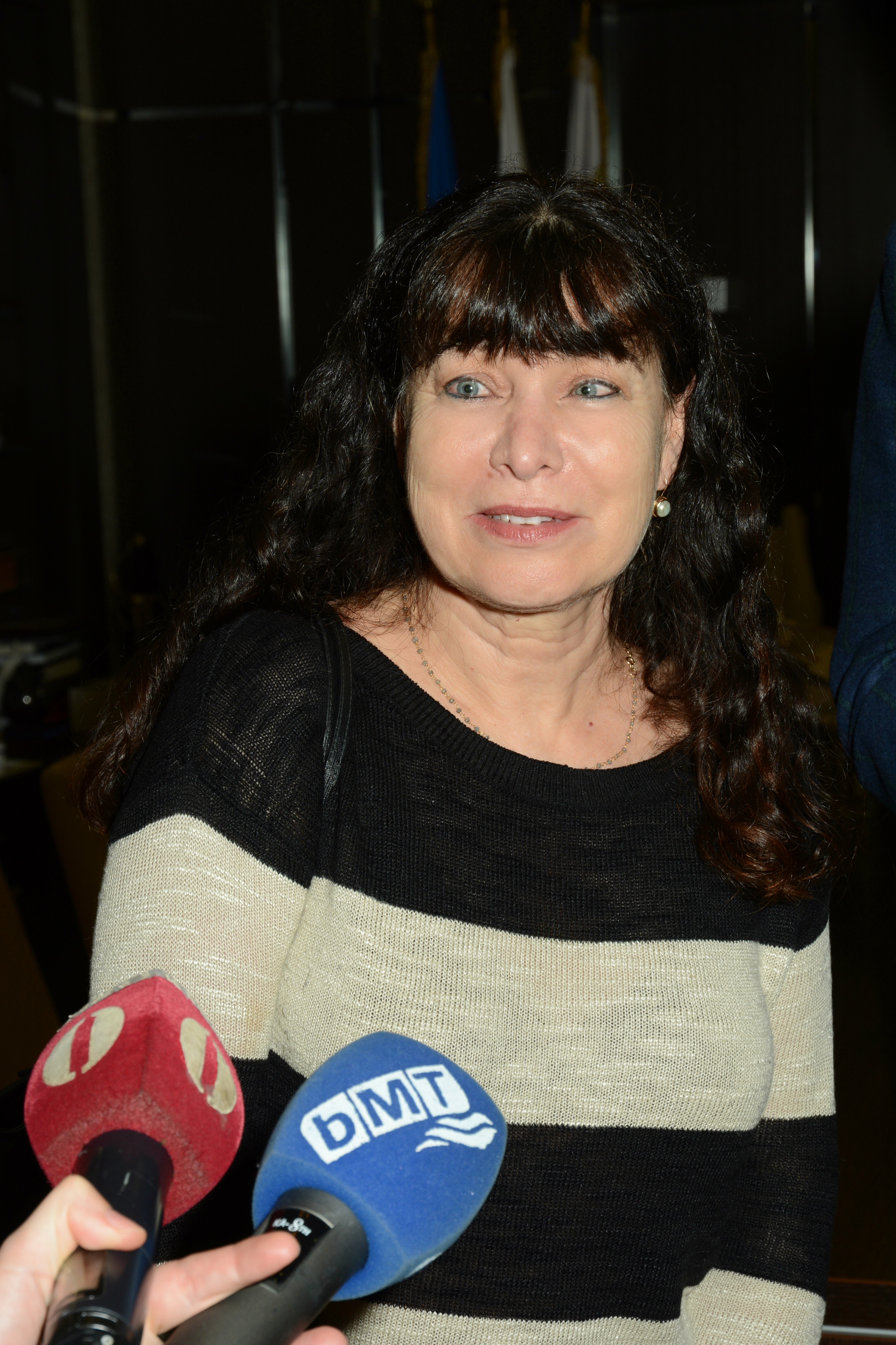
The nephrologist Prof. Dr. Talia Weinstein and Mayor Dimitar Nikolov discussed the possibility to cooperate through the exchange of good practices

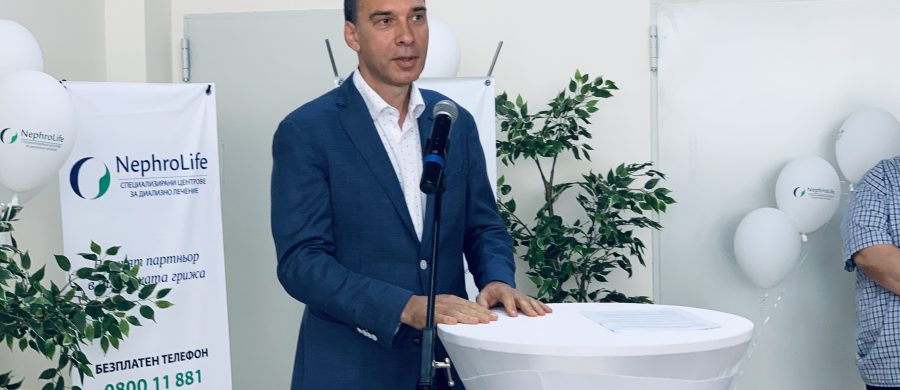
At the meeting between the nephrologist Prof. Dr. Talia Weinstein and the Mayor of Burgas Dimitar Nikolov the possibilities to create conditions for exchange of good medical practices in the field of nephrology by sending Burgas medics to Israel were discussed.

Prof . Weinstein is a nephrology expert with 35 years of clinical experience in the diagnosis and treatment of various kidney pathologies . She is a lecturer at Tel Aviv University and an Associate Clinical Professor in the Department of Nephrology at the Faculty of Medicine of the University of Technology. She has won numerous medical orders and awards worldwide. She is the Past- President of the Israeli Society of Nephrology and Hypertension and a member of the European Union of Medical Specialists (UEMS) – Kidney Section.

Prof. Dr. Weinstein is in Burgas at the invitation of the NephroLife Dialysis Center, where she is a consultant of the Center’s team of specialists working on Israeli know-how.

During her visit to the Municipality of Burgas, Prof. Weinstein declared her readiness to share her experience and to assist in the implementation of Israeli hemodialysis know-how. The meeting was attended by investors and representatives of the newest and most modern NephroLife Dialysis Center in Burgas, there was also Dr. Loris Manuelyan, a nephrologist and long-time Deputy Mayor of the Health Protection in Burgas Municipality.

“The high quality of medicine depends on the people, their training and specialization. Medicine cannot be learned only in the books. In order to be a good specialist, he/she has to put into practice what he/she has learned. The most important thing is to give young people a good foundation in their knowledge of classical medicine and train them well. Big part of the medicine is based on observations – you see how your trainer is healing patients and you are learning from it. I am glad to be here and I hope to continue with our future work together, I would be glad to be so , ” said Prof. Weinstein and declared her readiness to assist in the specialization of Burgas medics in prominent medical centers in Israel and other countries.

“We need such specialists like Prof. Weinstein. She could help not only to improve the quality of medical services in the city, but also to help bringing the latest developments in medical science to the newly established Faculty of Medicine in Burgas – from Israel and Canada, where Prof. Weinstein worked for many years,” said Mayor Dimitar Nikolov after the meeting.

“As a member of the executive board of the European Renal Association, prof.  Weinstein is responsible for the training of specialists and students. She will be very good partner at our university. We will strive to build more lasting relationships with the highest-level universities in Israel” said Dr. Loris Manuelyan.

According to him, cooperation can be achieved not only in the field of nephrology but also in other fields of medicine.

The visit of Prof. Dr. Weinstein in Burgas gives the chance to those in need to be consulted by a specialist with exceptional competence. The day after her visit to the Municipality she will consult patients on hemodialysis and pre-dialysis stage for free on December 14. The examinations will be done at the NephroLife Dialysis Center in the residential complex “Izgrev”.

Хемодиализа

ISRAEL’S NEPHROLOGISTS COMES TO NEPHROLIFE

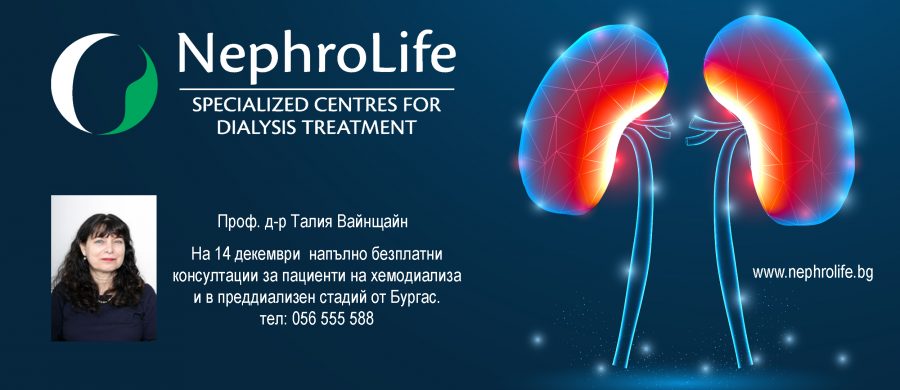
Prof. Dr. Talia Weinstein will consult patients for free

Israel’s nephrologists will visit Burgas. Prof. Dr. Talia Weinstein arrives on December 12th at the invitation of the NephroLife Dialysis Center. On December 14th she will give free consultations to patients from Burgas with hemodialysis and in the pre-dialysis stage.

At the invitation of Burgas Mayor Dimitar Nikolov, Prof. Weinstein will visit the Municipality, where future Bulgarian-Israeli health-related initiatives will be discussed. The meeting will also be attended by representatives of the management of the University “Prof. Dr. Asen Zlatarov” and the newly opened Faculty of Medicine at the University.

Prof. Talia Weinstein is a nephrology specialist. For more than 35 years of practice, she has gained clinical experience in the diagnosis and treatment of various kidney diseases. She is the Past-President of the Israeli Society of Nephrology and Hypertension and a member of the European Union of Medical Specialists (UEMS) – Kidney Section.

Prof. Weinstein studied at medical schools in Israel. Her specialization includes acute and chronic kidney disease, diabetic nephropathy, and autoimmune glomerulonephritis. She also treats patients on hemodialysis.

Professor Talia Weinstein is the author of 67 research papers. She is currently an Associate Clinical Professor of Medicine at Tel Aviv University.

Visiting a specialist of similar rank in Burgas enables not only the residents of the region but also all Bulgarian citizens in need to be examined and consulted in the best possible way. A similar opportunity is possible thanks to the policy of the NephroLife Dialysis Center, which was created and opened in the seaside town in the middle of this year. The super-modern healthcare facility is built and fully equipped with Israeli investments, the latest in medical hemodialysis technology. The emergence of the dialysis center in Burgas greatly facilitates the needs of thousands of seriously ill patients, as well as giving them the most competent and good prospect for health and life-saving care and insurance.

On December 14, 2019, the Dialysis Center invites the citizens of Burgas to visit the health facility to get acquainted with the opportunities offered by NephroLife .

Prof. Dr. Talia Weinstein will consult patients on dialysis and predialysis stage on 14th of December in Burgas for free. This is a gesture to all those who suffer from kidney problems in Bulgaria. Consultations do not require referrals from GPs. Patients should make an appointment by calling: 056/555 – 588, 0800 11 881.

Хемодиализа Бургас

HEMODIALYSIS – WATER BALANCE AND PROTEINS

Water balance during hemodialysis

Water balance is closely related with the optimal body weight maintenance. Since the amount of urine (diuresis) is reduced up to a complete lack in patients on hemodialysis, a strict self-control of fluid intake is required. Super hydrogenation may provoke intensification of the peripheral edema, ascites (leakage of fluid in the abdominal cavity), hypertension, pulmonary congestion and life-threatening complications such as brain and pulmonary edema.

The basic rule for calculating the quantity of the fluid intake is: fluids (for 24 hors) = diuresis /ml/24 hours + 500 up to 800 ml. The increase in weigh must not overcome 1kg per day. All soups, any yoghurt, sauces, stewed and bottled fruits, fruits, vegetables, etc. that are included in the daily menu must be calculated as liquids.

Dietary recommendations: Table salt consumption to be reduced and other seasonings to be used instead; any food with high content of water to be avoided [soups, sauces, water-melon, ice-creams], any dry air spaces to be avoided, when one feels thirsty, not to drink water but to suck a lemon or a cube of ice.

The role of proteins  in hemodialysis

Goal: To maintain all vital metabolic processes in normal levels, to ensure muscle growth and recovery.

Proteins are essential for the diet since the need of them is higher for dialysis patients. Proteins are divided in two basic groups: such with high biological value and such with low biological value. 1.2 gr./kg./24hs is considered to be the optimal protein intake. Half of this quantity should be the so called complete proteins (of higher biological value), that may be found in meat, eggs and milk. That is why appropriate meats, poultry, fish, egg protein or cottage cheese must be consumed at least once a day. It is recommended 100-200 gr. meat to be involved at least once per day during eating. The way of cooking meat may vary depending on the taste preferences of the patient, however for those who have a limited diuresis a dry cooking of meal (excluding sauces) is recommended. Low-value proteins include bread, pasta, fruit and vegetables.

Nausea, vomiting, confusion, itching, bad breath are observed upon excessive protein import. The symptoms of insufficient import are muscle mass decrease, lack of strength, weight loss, difficult wound healing.

POTASSIUM, SODIUM AND PHOSPHORUS BALANCE – HEMODIALYSIS

How important is the balance of potassium, sodium, and phosphorus in the diet of the hemodialysis patients?

The lоw intake of potassium, sodium, and phosphorus is crucial when the case involves feeding patients on hemodialysis.

Potassium

Potassium is involved in the water balance maintaining and in the transmission of nerve impulses and muscles contractions and regulates the blood pressure.

High plasma potassium is a life-threating case of emergency and is an indicator that the patient has made a mistake with his/her diet. Such a state of health is called hyperkalemia and is distinguished by muscle weakness, paralytic symptoms and irregular heart beat, In patients with anuria (complete absence of diuresis) the potassium intake is limited up to 1.5 – 2.0 gr. per day.

Dietary recommendations: the intake of rich in K food is limited – stone fruits, beans, lentils, olives, nuts, vegetable juices, dietary salt, dried fruits. Potatoes and the other vegetables lose most of the potassium when they are pre-cut and soaked in water for 3 hours as well as when they are cooked for 30 minutes. When using canned fruits and vegetables the liquid must be removed beforehand. Fruit juices, dried fruits, and nuts must be avoided.

Sodium

It is crucial to minimize sodium intake and to avoid food additives and fast foods.  The use of salt causes fluid retention in the body and is a reason for high blood pressure, cardiac hypertrophy and eventually increases cardio-vascular mortality. Water and potassium control for patients on dialysis is important for the quality of the dialysis treatment and for their survival.

Dietary recommendationsto avoid rich in salt food – canned, marinated, salty and smoked products.

Phosphorus

Since phosphorus can not be fully extracted through dialysis, it is accumulated, thus damaging the bone structure and making bones fragile. The product of potassium and phosphorus values is called the potassium-phosphorus product and its levels should not overcome 4. Otherwise, it is subcutaneously accumulated and causes unpleasant itching.

Dietary recommendation: Foods high in phosphorus must be limited. Limiting the intake of phosphorus may also be done by decreasing the intake of proteins in food. However, this may cause malnutrition of the patient, which is highly undesirable. An efficient way of decreasing the serum phosphorus is the intake of calcium tablets while eating, since at that time the potassium intake is highest and its binding is most efficient.

This mineral may reach high levels in the blood and cause complications such as weak bones, heart problems, joint pain, and skin ulcers.


Сух Бикарбонат при диализа

WHY DOESN’T OUR BLOOD PRESSURE DROP AND WE FEEL BETTER?

A question, commonly asked by our patients is: Why doesn’t our blood pressure drop and we feel better?

The answer lies in the following:

The quality of the dialysis water depends on well-functioning equipment for reverse osmosis and on the use of dry bicarbonate as an important prerequisite for avoiding series of complications. While achieving this quality is somehow associated with a certain increase in the cost of the dialysis, it may lead to some notable savings, far more exceeding the funding. The good water quality contributes to anemia improvement and reduces the patients’ needs of erythropoietin. The use of an ultrapure dialysate helps overcoming the chronic inflammatory response that is associated with the erythropoietin in the dialysis solution in blood and the erythropoietin dose is reduced with almost 30% as meanwhile the hemoglobin values are preserved.

During the last years quite weighty arguments were gathered evidencing that chronic inflammatory reaction plays important role in the genesis of the accelerated atherosclerosis in the dialysis patients and it is one the reasons for the higher morbidity and mortality among them. It has been found that by using dialysis with ultrapure dialysate the progress of the dialysis amyloidosis is notably delayed.  Therefore, the use of ultrapure dialysate may lead to saving money from the hospital treatment of the complications as well as to provide better prognosis for the dialysis patients and their quality of life.

The most certain way of getting microorganisms- and endotoxins-free dialysis solution is to use dry bicarbonate and regularly to change the ultrafiltration of the dialysis path.

This is the dialysis that Nephrolife offers to its patients.

Хемодиализа

THE MOST ADVANCED DIALYSIS CENTER IN THE COUNTRY STARTED WORKING IN BURGAS

A month after the Medical Faculty in Burgas received a work license, a new super technological dialysis center opened doors in the town. It is a result of an Israeli investment and currently is the most advanced one in the whole country.

„We are working with leading Israeli professors to be able to be of help to the people from Burgas and the region. Our main goal is patients to feel well because they believe us.

With the high-quality equipment that we offer they will have a better quality of life” explained to the journalists Alberto Behar, the administrative director of the company – investor.

The Specialized Medical Center NephroLife is located in “Izgrev” housing estate behind Plaza Mall. Prof. Doron Schwartz is the consultant of the center. He is the director of the Department of Nephrology and Dialysis in Ilchilov Suras, one of the biggest hospitals in Israel.

Prof. Schwartz is a professor at the University in Tel Aviv and is on Forbes list of {Best Israeli Doctors}. Dr. Nikolay Tordorov will be the Director of the Clinics. He has more than 40 years experience and is twice included in the list of “The Best Doctors in Sofia”. The clinics disposes of with 18 pieces of apparatus and more than 1000 patients can take advantage of the treatment.

„It is a well-known fact that extremely skillful and competent doctors work in Israel. This is a certain opportunity to use good practices and ideas through them. Some of these lecturers may also educate our students at the Medical University.

In this way, we will have the opportunity to establish education in the English language. Thus we can welcome students form all over Europe, who will be educated in a foreign language”  said the mayor Dimitar Nikolov during the official opening of the clinic.

Among the guests, there was the Israeli ambassador N. Pr. Irit Lilian, who was also satisfied with the investment, the Israeli Honorary Consulate in Burgas Orlin Mandov, the Director of the Regional Health Inspectorate Dr. Georgi Pazderov, doctors and specialists.

Nephrolife

BRAND NEW AND COMFORTABLE CARS IN NEPHROLIFE

Dear Patients, NephroLife introduces you brand new and comfortable cars. We provide them for you and your convenience, together with the transport company we work with. What better than traveling in a new, luxurious and air-conditioned car in the summer heat! ❤️

“It is well known that extremely good and competent doctors work in Israel. This is an opportunity for them to use good practices and ideas, “said Mayor Dimitar Nikolov during the official opening of the NephroLife dialysis clinic in Burgas.

📲+359 56 5555 88
📲Безплатен телефон: 0800 11 881
💻www.nephrolife.bg

NephroLife Dialysis Center is the newest and most advanced clinic in Bulgaria. To all of you, our patients, we offer new and high quality equipment and consumables for dialysis treatment branded FRESENIUS Germany to establish reliability and to guarantee quality during you therapy.

The comfortable environment, the care provided by our professional team of doctors, nurses and dietitians who use up-to-date medicines and high quality medical products enable us to offer our patients any treatment according to their specific needs.  In addition to the pleasant and cozy environment, here, you may enjoy some light refreshments, professional and competent medical care, a cup of hot coffee or tea and to be meanwhile entertained by your favourite TV show programs that you can watch on a TV for personal use for each patient. For being even more confortable, the center provides headphones, that you may use during your stay aiming at your best comfort and those of the other patients

Aт any time you may be consulted by a doctor on duty or a nurse about anything that concerns you. Our clinic has also taken care about your safe and confortable move from home to the Dialysis Center and back, absolutely free of charge

BACK