• Български
  • English
  • Deutsch
  • Русский
   +359 56 55 55 88
KOSTENLOSES TEL.: 0800 11 881
ВЛИЯНИЕТО НА КОФЕИНА ВЪРХУ БЪБРЕЦИТЕ

CAFFEINE AND KIDNEYS

The amount of food and drink that we consume has leading role to the proper functioning of the body. Even if it is a healthy food, such as fruits and vegetables, again, the dose is the biggest factor.

Today we will pay attention to coffee intake and in particular the effect of caffeine on the kidneys in the human body.

Due to the connection between coffee intake and high blood pressure, there is a concern about the ability of coffee to cause kidney damages. When the kidneys are stimulated by caffeine, there is an increased excretion of urine along with electrolytes, which causes negative changes in the functioning of the endocrine, cardiovascular and nervous systems.

According to statistics from recent years, urolithiasis is one of the most common kidney diseases among people of all ages and genders around the world. This disease is characterized by the gradual formation of stones in the kidneys and bladder.

Urolithiasis may be a consequence of dependence on caffeinated beverages, in particular coffee (including coffee with milk) and strong tea. Evidence of this are studies performed by Canadian urologists. As a result of a series of experiments, they found that in healthy people who consumed more than three cups of coffee a day, the concentration of calcium compounds in the excreted urine increased sharply within a few days. In addition to calcium, elevated titters of magnesium, citrate, and other substances, directly involved in the formation of kidney stones, were observed in the urine of the patients who took part in the study.

The effect of caffeinated beverages on a person’s urinary system is due to the expressed diuretic effects of coffee, as a result of which is observed a relative dehydration of the body, thickening of the urine tract and the formation of solid elements in it, which eventually turn into stones. Therefore, doctors do not recommend patients with CKD to take caffeinated beverages or at least the amount of them should not exceed the daily recommended dose.

For coffee lovers, the consumption of this drink should be strictly limited and not more than a cup or two per day.

ДЕН НА БЪБРЕКА

NEPHROLIFE DIALYSIS CENTER WITH AN INITIATIVE ON THE OCCASION OF THE WORLD KIDNEY DAY

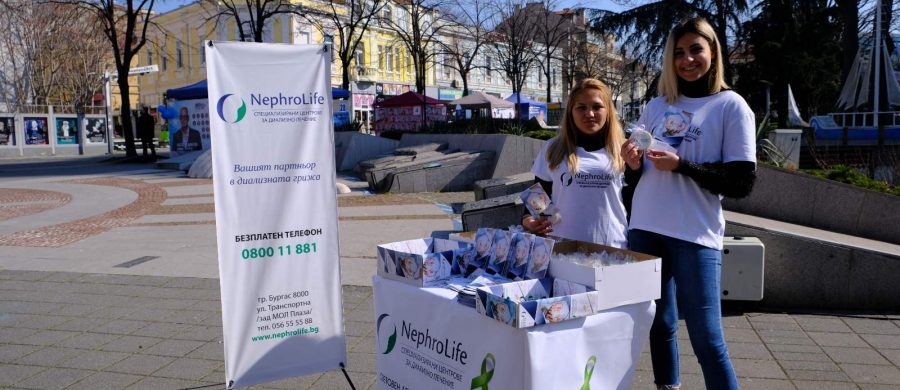
On Sunday, an initiative of Dialysis Center NephroLife was held on the occasion of the World Kidney Day. This day is traditionally celebrated in March as in many countries events and various campaigns are performed showing the support to people suffering from CKD and having kidney problems. Next to Hotel Bulgaria in the seaside town, representatives of the dialysis center distributed to people informative materials about the medical facility, specially made cookies and a green ribbon as a sign of support of people with kidney disease. The campaign was implemented in partnership with the Municipality of Burgas.

д-р Николай Тодоров

DIALYSIS CENTER NEPHROLIFE WITH FREE CONSULTATIONS WITH DR. NIKOLAY TODOROV

One of the best nephrologists in Bulgaria with free consultations of patients in dialysis and pre-dialysis condition

Top nephrologist Dr. Nikolay Todorov will have a day for free consultations on March 12th in the city of Burgas, announced from the dialysis center “NephroLife”. The screening is part of the health facility’s campaign to mark World Kidney Day, which is celebrated annually on the second Thursday in March.

The consultations with the specialist are aimed at patients in pre-dialysis and dialysis stages, for whom a highly specialized and reliable assessment of the health condition is needed.

Those wishing to make an appointment, please call: 056/555 588, 0879/084 777 or find us at NephroLife Dialysis Center on Transportna Str. (behind Mall Plaza).

For the World Kidney Day, which is set on March 11th this year, the dialysis center`s team has prepared an additional initiative, showing their support to people with chronical kidney disease. In the area next to hotel Bulgaria and the town hall building, from 10 a.m. till 2 p.m., everyone will be able to receive informative materials, brochures and a green ribbon to support people with kidney disease throughout the month. The campaign is implemented in partnership with the Municipality of Burgas.

“For us as a health institution is important to raise the awareness of citizens of Burgas to this type of public health problems, as well as to provide an opportunity for consultations with leading specialists in the field of nephrology. People should know that timely prevention is extremely important to control and even slow down the development of kidney disease. Following the best practices applied in Israel, we believe that with adequate measures and timely treatment, patients with renal failure will have an improved, productive and quality life,” commented the administrative manager of “NephroLife” Silvia Guyleva.

Dr. Nikolay Todorov Medical Manager and Chief Nephrologist at the NephroLife Dialysis Center graduated the Medical School in Sofia in 1977, taking degree in Internal Medicine in 1983 and Nephrology in 1985.

He specialized in “Temporary vascular access for hemodialysis – subclavian vein catheterization by using Seldinger method for hemodialysis patients” in Frankfurt, Germany in 1984 and later on, introduced the method in Bulgaria.

In 1994 he specialized in “Preparing patients for kidney transplantation and treatment after the transplantation” as well as “Inserting permanent  tunnel catheters in patients undergoing hemodialysis“ in Erasmus Hospital in Brussels, Belgium in  Nephrology and Transplantation Clinics with Prof. Vanerogen and Prof. Abramovich.

He has a number of publications in the field of vascular access in hemodialysis patients and reports at scientific conferences.


ЦИНКЪТ И РОЛЯТА МУ В ЧОВЕШКОТО ТЯЛО

ZINC AND ITS ROLE IN THE HUMAN BODY

Zinc is one of the main elements important for the immune system. Small amounts of zinc are needed to maintain human health and the proper functioning of the body. It occurs in several systems and biological reactions, which plays a vital role in protein synthesis and helps regulate cell generation in the human body’s immune system. Zinc stimulates the immune system, helps against colds, ear and respiratory infections.

Compared to several other metal ions with common chemical properties, zinc is relatively harmless. Only exposure to high doses has toxic effects, which makes acute zinc intoxication rare. In addition to acute intoxication, long-term high-dose zinc supplements are imprinted on the absorption of copper. Its toxic effects actually extend into copper deficiency.

 When there are low levels of zinc, we often get sick. Supplements with zinc are especially useful in various eye diseases such as macular degeneration, chicken blindness, cataracts.

 It appears that zinc in large amounts adversely affects the human body. A US study at the University of California reveals that there is a link between the cycle in the body and the formation of kidney stones. Plasma zinc is lower in patients with chronic renal failure (CRF), but after kidney transplantation, during the postoperative period, the level of the cycle normalizes. Plasma zinc concentrations may be reduced in people of conservative renal therapy and those on hemodialysis.

The daily intake of zinc should not be taken above 40 mg.

Here are some natural sources of zinc:

Oysters

Beef and lamb

Spinach

Crabs, lobsters, shrimp

Beans

Black chocolate

Peanuts

Flaxseed

ФУНКЦИИ НА ФОСФОРА И БЪБРЕЧНА ДЕЙНОСТ

PHOSPHORUS FUNCTIONS AND KIDNEYS

Vitamins and minerals are substances contained in our food that help our body function properly. Кidneys play an important role in maintaining bone strength by balancing the levels of phosphorus and calcium in the blood. Phosphorus is the second most common mineral in the human body, with approximately 85 percent of it found in bones. It is key to the water-electrolyte balance in the body and has extremely important functions for the formation of healthy bones and teeth. It is an integral part of the molecule adenosine triphosphate (ATP), which is the main structure that stores energy in the body, in the structure of DNA and RNA molecules, as well as in the formation of cell membranes.

Phosphorus is absorbed in the small intestine and stored in the bones. It is absorbed by the intestinal epithelium and its homeostasis depends on the kidneys. Therefore, disturbances in phosphate levels are most often due to disturbances in renal function. It is recommended that healthy adults receive between 800 mg and 1200 mg of phosphorus each day. Damaged kidneys do not eliminate enough phosphorus in the urine, which increases the levels of phosphorus in the blood – called hyperphosphatemia.

Because phosphorus is abundant in most foods, its deficiency is rare. Its high content in the blood is more common. Due to the delicate balance between phosphorus and calcium that needs to be maintained, consuming too much phosphorus without adequate dietary calcium intake can have negative consequences.

Phosphorus, calcium, vitamin D and parathyroid hormone (PTH) and their interaction with the kidneys play a role in controlling the level of phosphorus in the blood.

When the kidneys are functioning properly, they maintain phosphorus and calcium in balance in the blood. The kidneys also convert vitamin D into an active hormone (calcitriol), which helps increase the absorption of calcium from the gut into the bloodstream. When the level of calcium in the blood is low, the parathyroid glands (four small glands in the neck) produce more PTH. This causes calcium to be drawn from the bones into the bloodstream. Elevated levels of parathyroid hormone can cause bone problems called renal osteodystrophy.

When there is a kidney problem, high levels of phosphorus in the blood (hyperphosphatemia) are a problem for people with stage 4 and 5 kidney disease, especially stage 5 (also known as end-stage kidney disease or ESRD).

ВАЖНОСТТА НА pH СРЕДАТА В ЧОВЕШКИЯ ОРГАНИЗЪМ

THE IMPORTANCE OF THE pH ENVIRONMENT IN THE HUMAN BODY

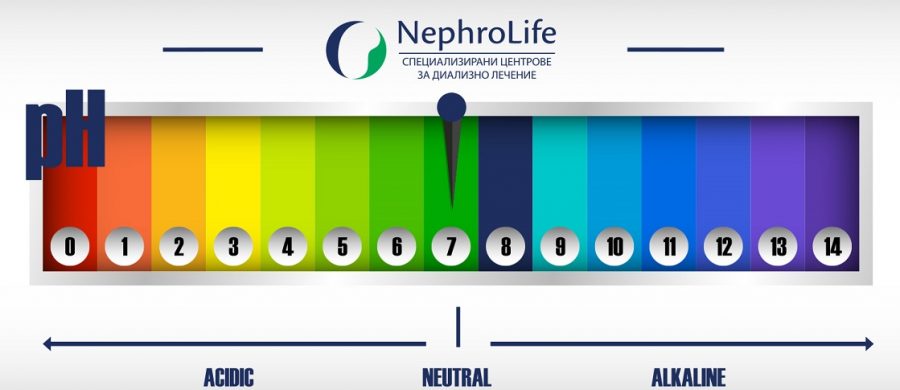
Human body is composed mainly of water, with the help of which oxygen, nutrients and biochemicals are transferred from one place to another. The environment in our body can be alkaline or acidic, which is measured through a decimal scale called pH. When the Ph ratio is from 1.0 to 6.9 is determined as acidic, when 7.0 is neutral and at values ​​from 7.1 to 14 it is alkaline.

As water occupies about 60% of the total weight of the human body, pH levels affect all functions of the body and is often a factor determining overall health condition. An unbalanced pH level is an indicator of too acidic or too alkaline environment for a long period of time. This is a factor in the development of certain degenerative diseases, diabetes, cardiovascular disease, cancer and overweight.

Because of the fact that kidneys maintain the levels of electrolytes in our body – those of calcium, magnesium, potassium and sodium, lowering or raising the pH can lead to crystallization of salts in the urine, which results in formation of stones or grit in the bladder and the kidneys.

The food we eat is also alkaline or acidic. According to health experts, acidic foods, those with a lower pH, can make us sick, while alkaline foods, with a higher pH, have a beneficial effect on the body.

For example, fresh fruits and vegetables are alkaline and their consumption prevents the formation of plaque on blood vessels, stops the accumulation of calcium in the urine and the formation of kidney stones.

In general, a diet high in vegetables and fruits, complete with calcium, potassium, magnesium, zinc and other alkalizing minerals, can help to achieve a balanced pH of the body.

Limiting the consumption of acidic foods can help maintain bone density, prevent the formation of kidney stones and even reduce the symptoms of acid reflux. Some acidic foods include refined sugar, hydrogenated fats, dairy products, animal fats, alcohol, coffee, meat, bread and antibiotics.

Through a pH scale it is easy to determine whether the food we consume is acidic or alkaline. By this way, low-pH foods could be easily eliminated from our menu instated of the consumption of healthier alkaline foods, in order to balance the pH levels and follow a healthy diet and habits.

“CHRISTMAS IS HOPE” CAMPAIGN

Entirely in the spirit of the Christmas holidays, our campaign brought joy, emotion and positivism into the daily lives of our patients. It was one of those moments when we proved we are one family. A family that is together even on around the Christmas table.

We are closing this year, as the year of challenges. Grateful that we are together, that we shared difficult and joyful moments, wishing each other health and many more shared unforgettable moments!

https://www.flagman.bg/article/230998

Surprising Christmas present touched the patients of the dialysis center “NephroLife” in Burgas

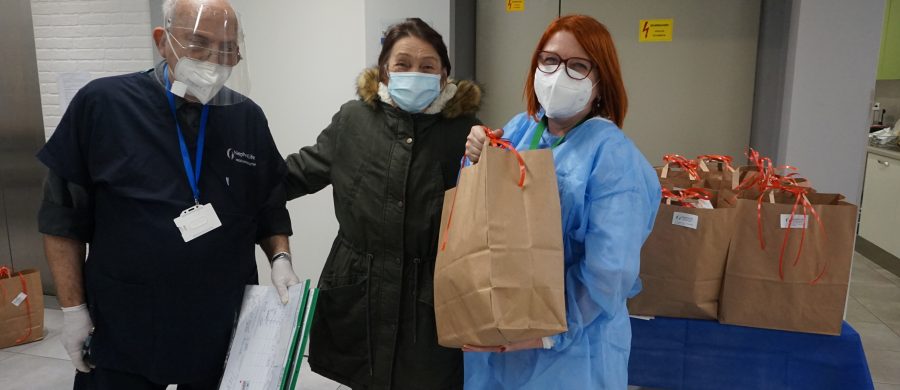
In 2020, an uninvited guest entered everyone’s life – Pandemic of Covid-19. It changed our daily lives, our habits, invaded our homes and took away a lot of us – work, social life, security. In these uncertain times, the desire of the entire NephroLife team is to help their patients in every possible way – in addition to the provided medical care, to try to give them a hope for better times. That is why the team of the Burgas dialysis center “NefroLife” decided this year to delight its patients with different Christmas presents for the brightest Christian holiday. Full of care and desire, the health institution prepared packages full of basic food products to all their patients.

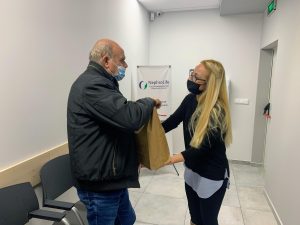
Today, some of them received their packages from the head nurse Biserka Nikolaeva and expressed their great gratitude from the “NephroLife” team in front of Flagman.bg. All that, you can see in the video where they share touching words and their opinion about the care provided by the NefroLife team.

The campaign of NephroLife dialysis center “Christmas is Hope” is held from December 23 to 25. Prepared packages are provided for all patients, as some of them were delivered to the patients` doorstep by the company’s transport department.

Every bag is full of basic food products, properly packaged for the brightest Christian holiday to become part of the patient’s Christmas table.

 

“Patients become part of our lives and we become part of theirs. For us, their health comes first, so we provide the best patient care in accordance with all international standards and medical practices. But our wish is not only to maintain the health of their bodies, but also to take care of their spiritual and emotional health as well. To give them the Christmas emotion, although far from home “, commented Silvia Gyuleva.

NephroLife Dialysis Center is the newest and most advanced clinic in Bulgaria. We have created a specialised team of doctors, nurses and dietitians who use up-to-date medicaments and high quality medical products and supplies. This is the first dialysis center in Bulgaria to introduce the high-tech practices already applied in Israel.

NephroLife Dialysis Center is situated in the city of Burgas, with a surface area of 1,200 sqm on Transportna str.(behind MALL Plaza)

The clinic provides brand new high quality medical equipment and consumables from Fresenius Germany which is a global healthcare company specializing in life-saving medicines and technologies for infusion, transfusion and clinical nutrition.

At NephroLife they strive to do their best to make patients feel like at home and make their stay as comfortable as possible.

Provided services include:

  • Consultations with a nephrologist
  • Consultations on temporary and permanent dialysis catheters
  • Periodic tests and monitoring of the entire physical condition
  • Consultations with a nutritionist who provides instructions and specific dietary advice
  • Consultations with qualified psychologists
  • Transport services
  • Free parking space provided for dialysis patients
  • Free Wi-Fi access anywhere in the center.

In addition to the impeccable medical care and the pleasant and cozy atmosphere patients will enjoy a light meal and refreshments while watching their favourite TV shows or radio programmes by provided personal headphones. At any time patients can be consulted by the doctors or nurses available in the treatment room during the session, regarding all the questions that might concern them.

For more information and questions you can contact the dialysis center “NephroLife” on tel .: 056 555 588.

NefroLife_bags

DIALYSIS CENTER NEPHROLIFE WITH A KIND GESTURE TO ALL ITS PATIENTS FOR CHRISTMAS

And this year many people will spend the brightest holidays not at home, among their loved ones, but under the care of doctors. For hemodialysis patients who are depending on the machines several times a week, meeting with doctors is a routine and the hospital room is becoming their second home. In these moments, a person often finds not only a cure for the body, but also for the soul, because there, altogether are going not only the treatment, but also the understanding and friendship.

Such is the case with the patients of the Burgas dialysis center “NephroLife”. This year the health institution has decided to present an even more special surprise to its patients, completely in the spirit of the holiday, in an attempt to make Christmas brighter and joyful.

“Christmas is hope! Hope for better times, more positive emotions and a lot of miracles! Christmas is a small gesture to someone else! This year, in addition to the usual holiday decorations, which will delight our patients, we have prepared a different Christmas gifts for them, “commented in advance the administrative manager of the health institution Silvia Gyuleva.

According to her, the year is extremely difficult for most people because of the Covid-19 pandemic. The situation concerns us not only on economical level, but also affects our mental and general health at all. This is the main reason for intensive Christmas preparation at the dialysis center recently, so the NephroLife team will be able to show its support to all patients and their families. And last but not least, to thank them all for the voted trust during the past year. All prepared packages, full of basic food products, will be properly packaged for the brightest Christian holiday to become part of the patient’s Christmas table. As the center is open during the holidays, the packages will be provided to patients on December 24th and 25th.

 “Patients who come to us are having difficulties to maintain a normal lifestyle for years because they are depending on a machine that purifies their blood. As we always stay current and innovative, in 2020 we added the method of hemodiafiltration as part of the medical practices we provide.For all patients, coming three times a week to the clinic, we follow an algorithm of work between our medical team and our world-famous consultants, in order to improve the quality of life for each patient. They become part of our lives and we become part of theirs. For us, their health comes first, so we provide the best patient care in accordance with all international standards and medical practices. But our wish is not only to maintain the health of their bodies, but also to take care of their spiritual and emotional health as well. To give them the Christmas emotion, although far from home “, commented Silvia Gyuleva.

Source: Poligraff

Poligraff.NET – Бургаски диализен център с мил жест към всички свои пациенти за Коледа – Новини от Бургас, страната и света


ОСНОВНИ ФУНКЦИИ НА НАДБЪБРЕЧНАТА ЖЛЕЗА

BASICS OF THE ADRENAL GLAND

The adrenal glands are two in number, located at the apex of the kidneys, composed of two separate parts. They are part of the human endocrine system, producing hormones necessary for the normal functioning of the body. The adrenal cortex – the outer part of the gland – produces vital hormones such as cortisol (which helps regulate metabolism and helps the body respond to stress) and aldosterone (which helps control blood pressure). The medulla of the adrenal gland – the inner part of the gland – produces non-essential (non-life-sustaining) hormones, such as adrenaline (which helps the body respond to stress).

Anatomy of the adrenal glands

The adrenal glands are triangular in shape, about 1.5 inches high and 3 inches long. They are located on top of each kidney. Each adrenal gland consists of two separate structures – the outer part – the adrenal cortex and the inner part, known as the adrenal medulla.

Adrenal hormones

The adrenal cortex and the adrenal medulla have many different functions. One of the main differences between them is that the hormones secreted by the adrenal cortex are vital and those secreted by the adrenal medulla are not.

What are the symptoms of adrenal disorders?

Symptoms of adrenal disorders may include:

dizziness

excessive fatigue

sweating

nausea and vomiting

low blood sugar

low blood pressure, also known as hypotension

dark spots on the skin

muscle and joint pain

weight gain or loss

At the beginning, symptoms of adrenal disorders do not make an impression. But, over time, they usually manifest themselves with greater force. If you periodically experience any of these health problems, it is best to consult a doctor.

НЕФРОЛИТИАЗА

NEPHROLITIASIS

Kidney stones (nephrolithiasis or kidney stone disease) are small deposits that build up in the kidneys. The disease could be found accidentally (when there is no pain or crisis) by X-ray of the abdominal area or by ultrasound of the abdominal organs. Kidney stones vary in shape, size and number, ranging in size from a few millimeters to 5-6 cm.

The clinical picture in patients with kidney stones is different and depends on the size and location of the stone itself. Some patients have complaints of dull, slight pain in the lower back, which is not connected with physical activity or body position. In others, kidney stones are presented by changes in the color of urine or frequent urinary tract infections.

Nephrolithiasis may be asymptomatic (without discomfort to the patient). Renal colic is the most common clinical appearance of kidney stone disease, and it occurs most often when a stone begins to move down through the narrowest part of the urinary system.

Types of kidney stones

Very often kidney stones have a mixed chemical composition and are varied in shape and color. Some of them are:

  • Calcium oxalate – the most common kidney stones. The main reasons for their formation are: increased absorption of calcium in the small intestine from food, increased excretion of calcium from bones, hyperparathyroidism, vitamin D intoxication, dehydration, taking certain medications, increased intake of oxalates with food
  • Calcium phosphate stones
  • Struvite stones – they are formed in frequent bacterial infections of the urinary tract
  • Urate stones (uric acid stones) – formed by increased urinary acid excretion in the urine and in people who do not drink enough fluids
BACK